March 12, 2026
by Tom Ewing
The 1970s are often associated with “energy crises” which drove up gasoline prices, called attention to dependency on Middle Eastern oil, and demonstrated the connection between foreign policy and domestic economics. The shock of rising prices in the early 1970s led many Americans to look to bicycles as an alternative source of education.
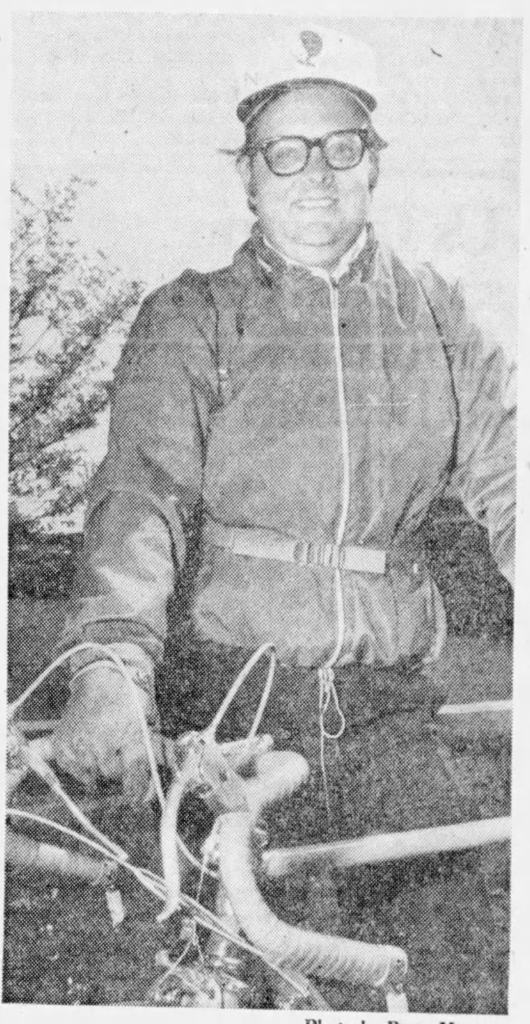
On April 26, 1974, the Roanoke Times profiled local residents who were now riding bicycles to work in part because of rising gasoline prices. Dr. Thomas Henretta’s entire family now rode bicycles, and he recognized the multiple benefits: “I mainly ride for exercise and pleasure. Being in medicine you really see the effect of no exercise on people. I understand that next to swimming, riding a bicycle is the best exercise you can get.” Physics teacher Norman O. Poff (see photograph above) used a new bicycle to ride between two schools: “I wanted to travel by bike a couple of years ago but until the energy crisis, I never found a good excuse for spending the money to buy one.” The five miles between schools is a workout (“the first day I didn’t think I’d make it,” Poff recalled with laughter), but the results are worth it: “I’m in better shape, saving gas money, and since it takes 30 minutes by bike and 20 minutes by car, I think the bike riding has been very worthwhile.” One common theme among the cycling commuters interviewed for this article was the urgent need for safer, more extensive, and more reliable separated bicycle lanes.
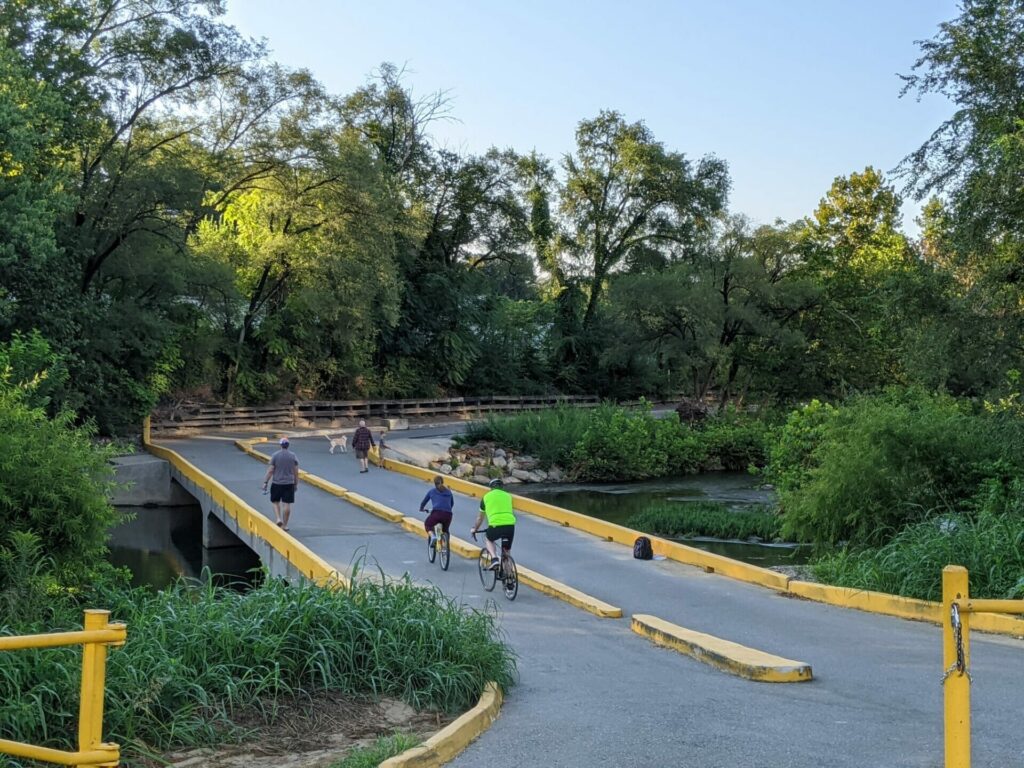
Although the energy crises of the 1970s prompted renewed interest in cycling, subsequent policies under the Reagan administration did little to promote substantive expansion of cycling infrastructure and alternative transportation. These efforts increasingly occurred at the local and regional level, as cities and suburbs invested in cycling paths while community organizations led efforts to transform abandoned railway lines into walking and cycling trails. The fifty years since the Bikecentenial thus provide numerous lessons for anyone concerned about the role of fossil fuels in everyday life.
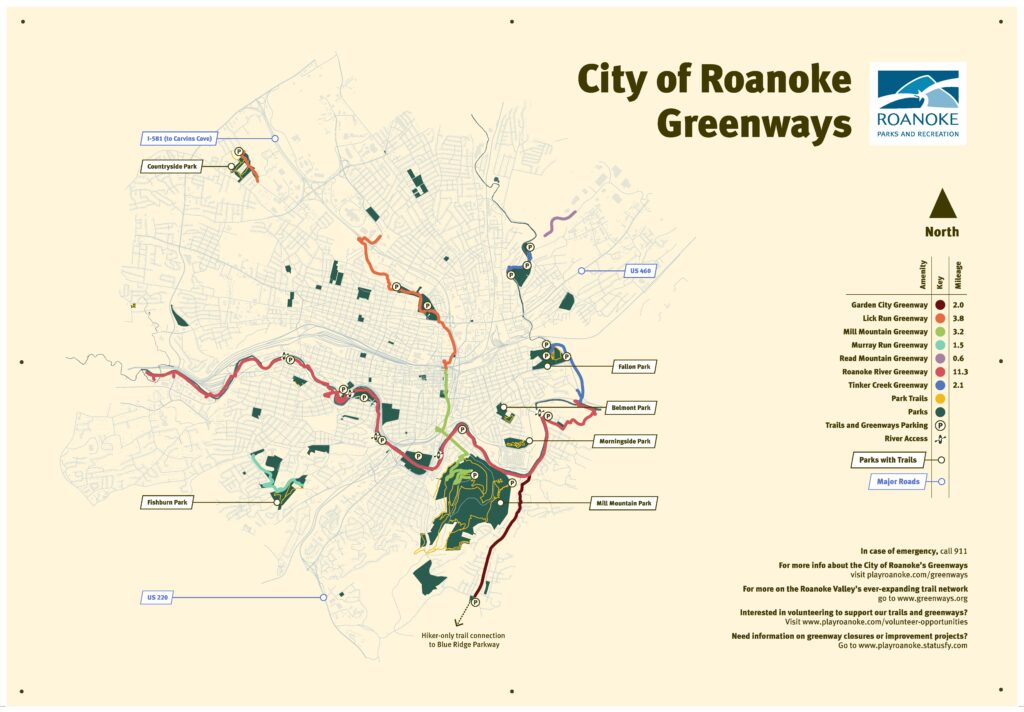
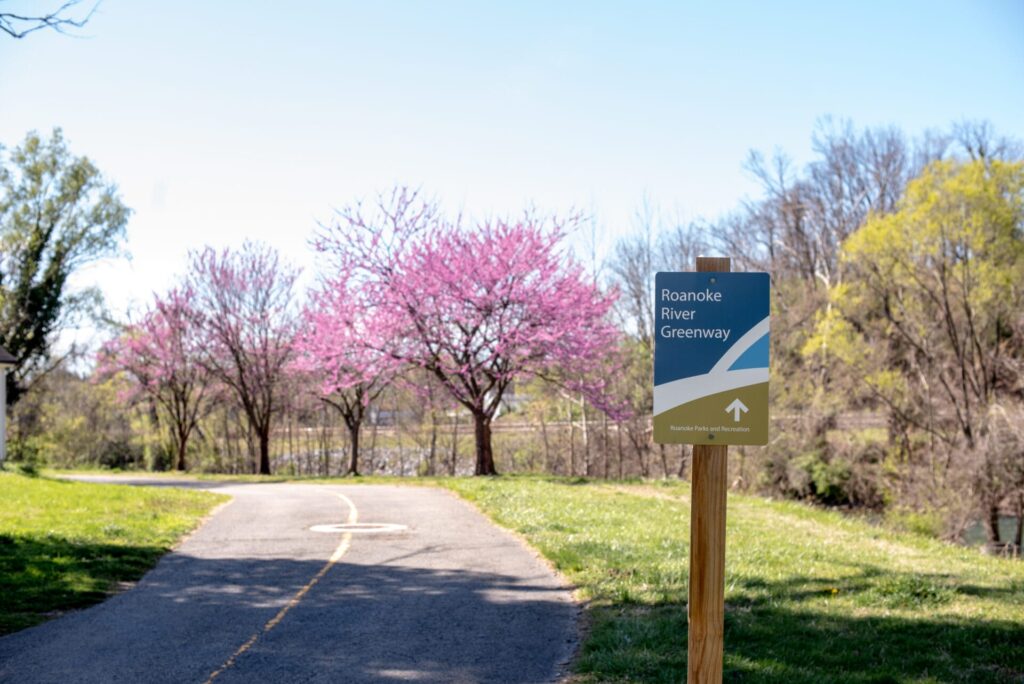
In Roanoke, where these cycling commuters lived fifty years ago, the system of cycling routes has expanded considerably. Commuters, recreational riders, children going to school, and visitors have access to a network of protected trails that had been just a vision fifty years ago.

Leave a Reply